
Home Sweet Home?
Our memories make us. Be it a domineering father or the floor plans of the family home, fragments of our childhood become foundational parts of who we are. “Home Sweet Home?” is a program of films that capture both what is beautiful and tender about growing up, and the baggage that may come with looking back at our youth. In the hands of these filmmakers, memories become a mouthpiece for self-expression and a reclamation of the coming-of-age that is chosen for us.
Cinema Village in New York City.
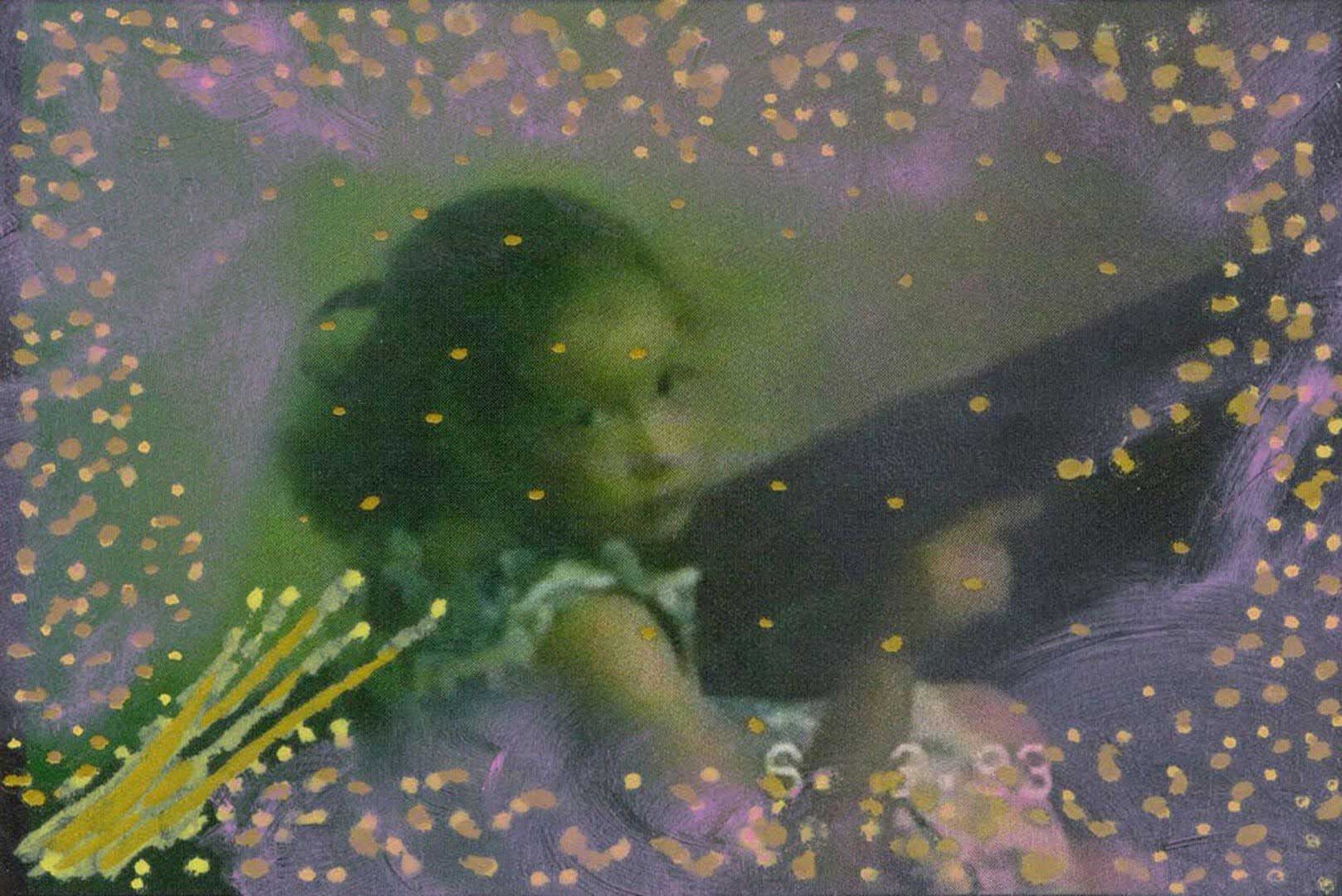
Screen Memory
Director: Maggie Murphy
Synopsis: This film uses the tools of children (colored pencils, crayons, markers, stickers, and glitter) to materially-intervene into childhood memories as preserved on printed-out frames of VHS home video, surrounding the child-self with protective apparitions and granting her magical powers.
Cinema Village in New York City.

Little Boy Lost
Director: Adam Knott
Synopsis: A semi-autobiographical photofilm that consists solely of photographs, placed in a cinematic context, that documents the transformation from childhood into adulthood, and the isolation and loneliness felt by many as they journey through life.
Cinema Village in New York City.

La Superstición del Huevo
Director: Darmyn Calderon
Synopsis: Through an egg cleansing ritual, a mother’s love and superstition intertwine. She unknowingly opens a passage between worlds, awakening the unseen.
Cinema Village in New York City.

Charlie is Not a Boy
Director: Pol Kurucz
Synopsis: The tale of a hushed soul, bound to a crumbling household in an allegorical America. With a perverted butcher for a father and a mother frozen in a quiet, catatonic spell, Charlie seeks solace in the whimsical world of his eccentric grandmother. As his safe haven unravels, Charlie navigates the hostile worlds of home and the military, caught between his authentic self and the masks he must wear.
Cinema Village in New York City.
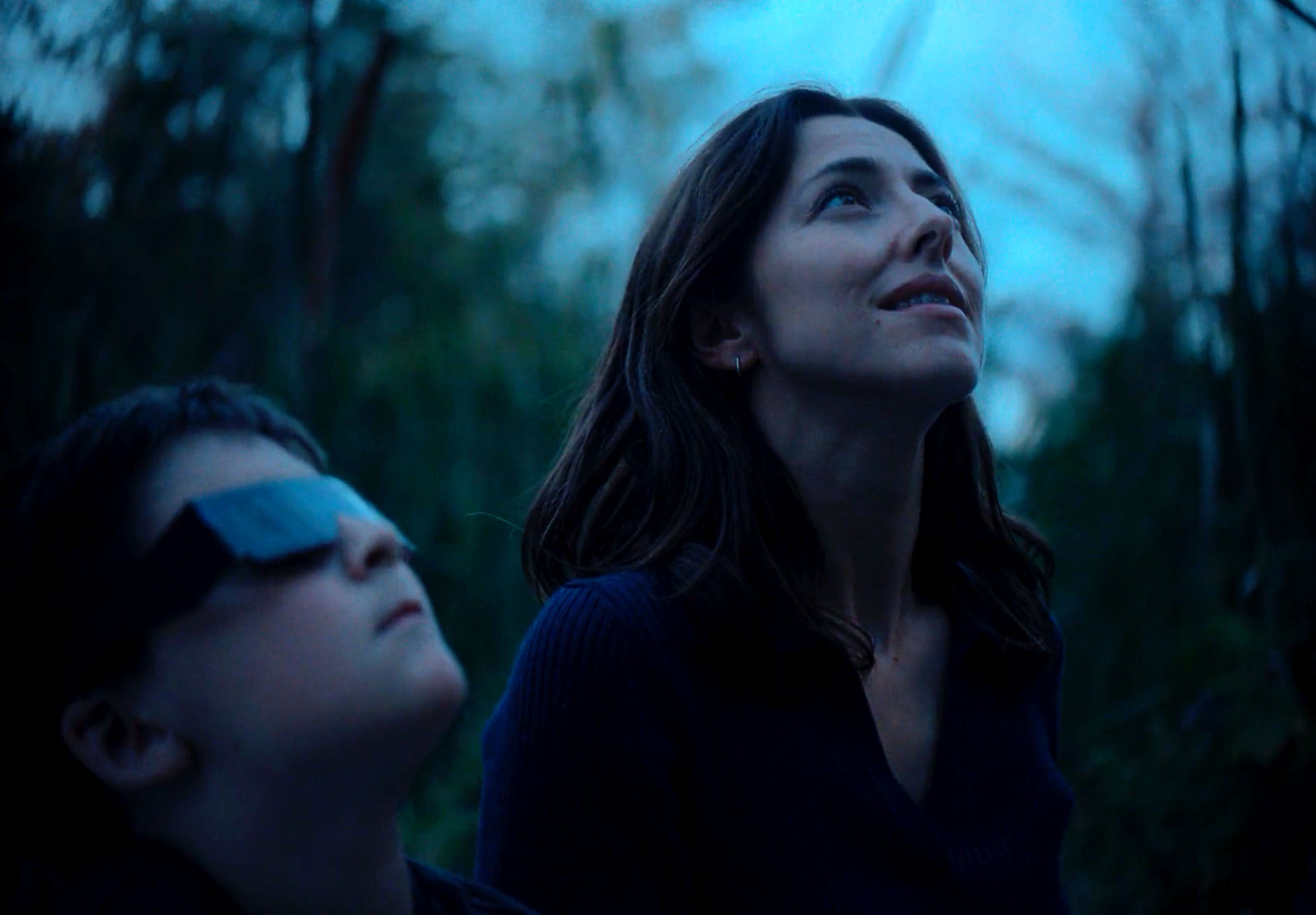
Full Circle
Director: Anna Hopkins
Synopsis: A mother and son search for the perfect vantage point to witness a total solar eclipse. Once totality hits, the difference between past, present and future becomes blurred.
Cinema Village in New York City.
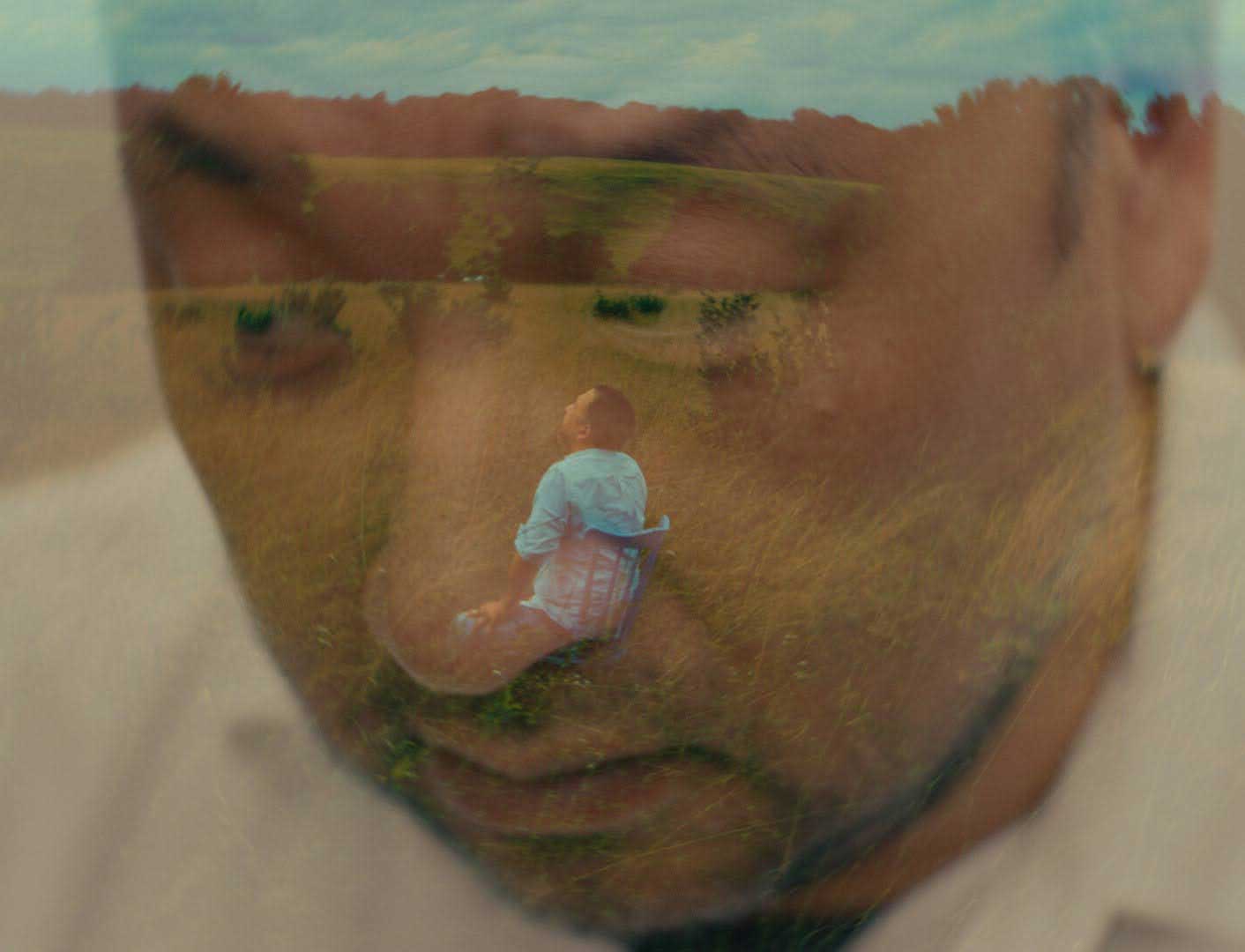
의자 uija
Director: Ryan Henry Knight
Synopsis: A Korean-American man sits alone in a wooden chair, moved across four landscapes, speaking to a father he has both feared and loved. Drawn from the family history of its performer, whose own father escaped North Korea as a child, Uija is a moving-image work built on reduction, superimposition, and reflection, a portrait of the words that go unsaid across a lifetime, and the difficulty of finally saying them.
Cinema Village in New York City.
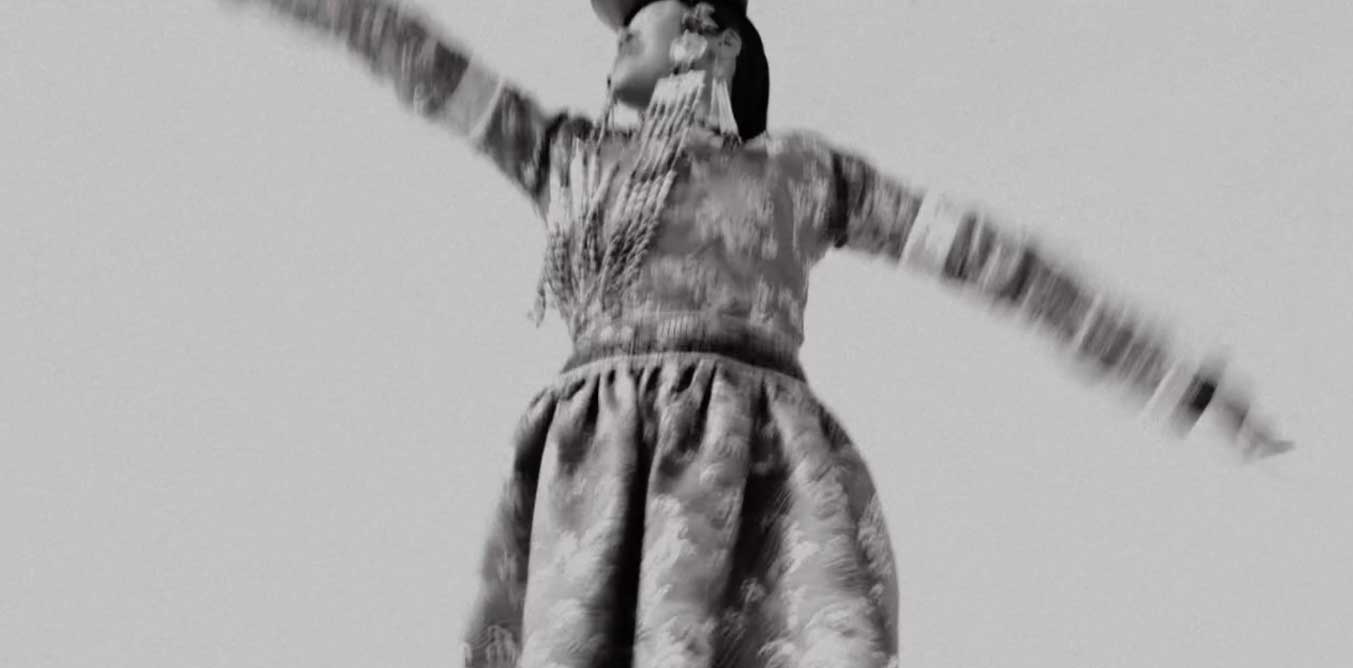
Lost Roots
Director: Daria Pavlova
Synopsis: The main character tries to reconnect with her Buryat culture, but painful memories from childhood make it hard for her to accept herself. Fear of rejection and old wounds from bullying keep coming back, even as she moves closer to her roots. This film asks one of the most important questions for anyone who has to hide their identity: what is it like to grow up between worlds, and is it possible to find yourself and carry on your heritage, despite the pressure from society?
Cinema Village in New York City.
Dancing Standing Still
Director: Drea Chuma
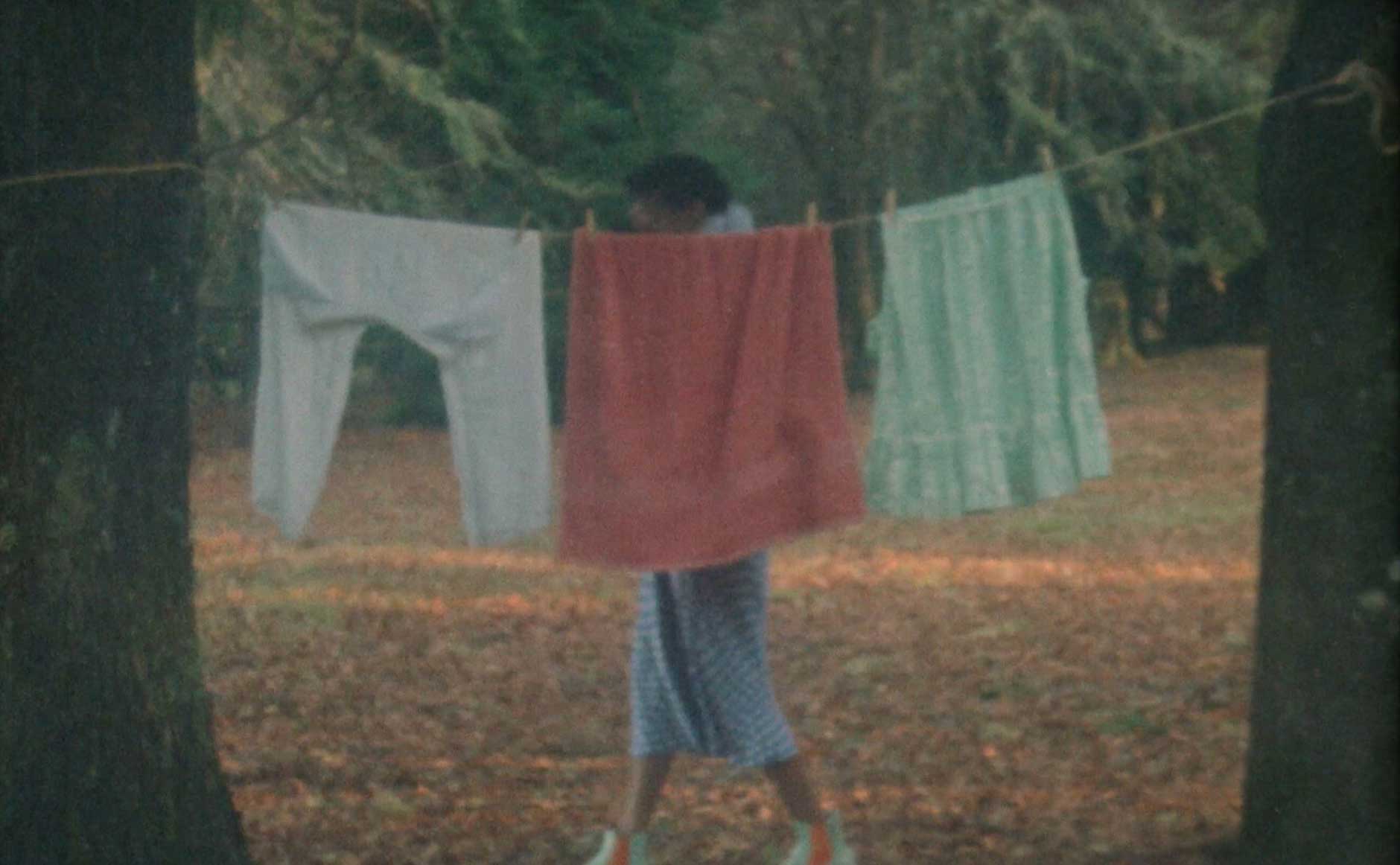
Synopsis: Explores grief and the unexpected places it reveals itself. It is the grief of small boxes that arrive quietly, wrapped in beautiful beginnings. It emerges as questions, asking us to rely on self-trust in unfamiliar emotional terrain. A poem carries the film, offering a place to land as seasons shift in subtle, unassuming ways. It holds space for the tension between movement and pause: dancing as a step into newness, standing still as the quiet moments of processing change.
Cinema Village in New York City.
Family Room
Director: Stephan Hillerbrand, Mary Magsamen
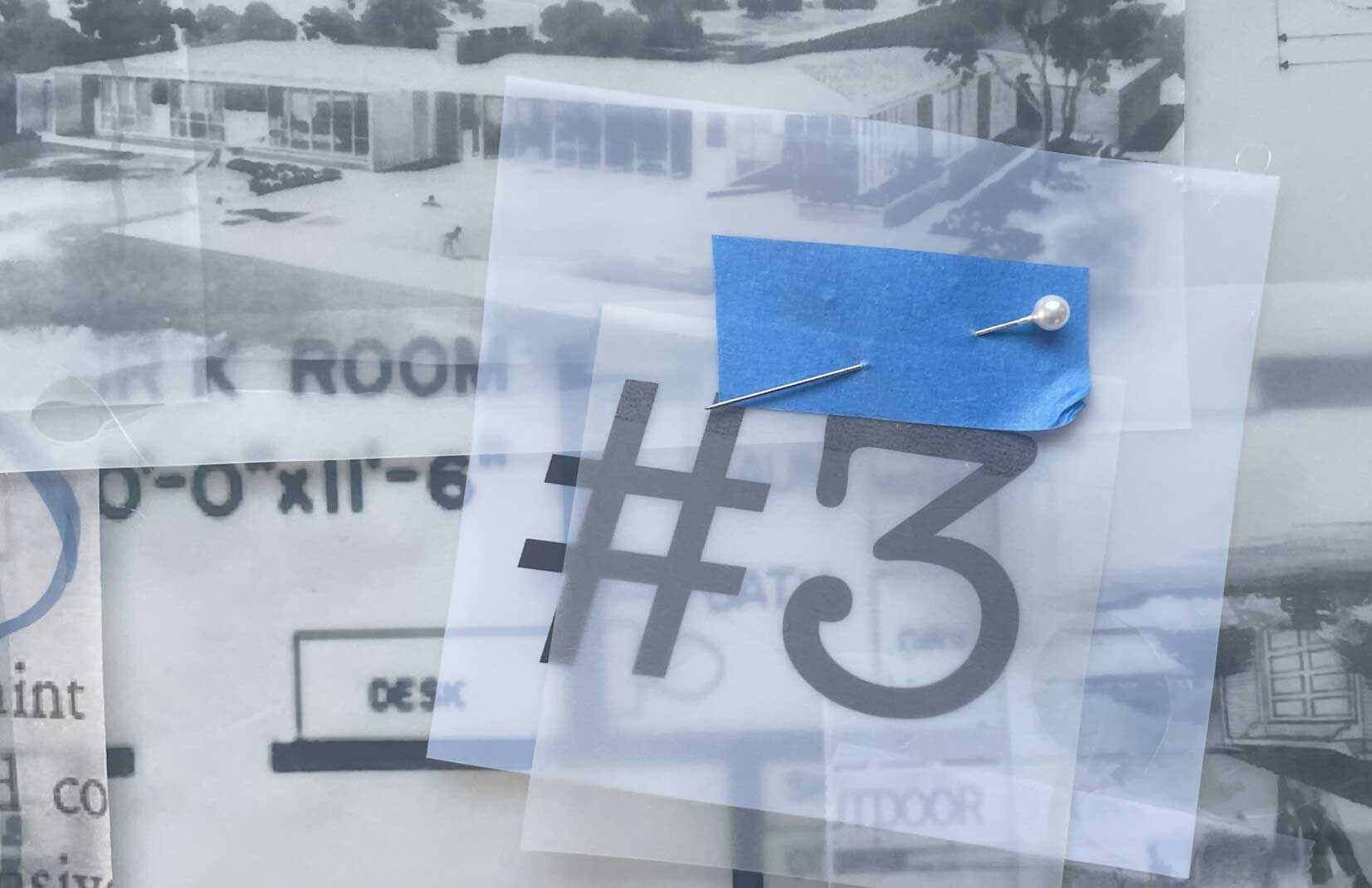
Synopsis: Explores the idea of home and family through shifting floor plans—some real, some imagined, some slowly dissolving. These architectural drawings, typically used to map stability and order, begin to shift, expand, and break apart, revealing the fluid and sometimes fragile nature of domestic space. As rooms merge and hallways lead to nowhere, the familiar structure of home becomes something less certain, reflecting the ways in which family life is shaped by time, memory, and change.
Cinema Village in New York City.